Scents · 2023
Béton Chaud: Back to a Memory of Freedom
- Author
- R Parfums editors · from the words of Rei Nguyen
- Published
- Language
- English
- Reading time
- 2 min
- Scents
- Béton Chaud
First published in Vietnamese on 18 September 2023. Translated in 2026 and kept to the original.

How was Béton Chaud made?

“Those were the red-hot days of summer. The other children on our street and I would sit inside the concrete pipes out on the waste ground, watching the kites go up into the sky. Looking up at their outstretched wings, I thought that I was flying too. Childhood and the spirit of adventure are a priceless gift. And inside those concrete pipes, we children felt we were the happiest, freest creatures on earth.” — Rei Nguyen, on the feeling behind Béton Chaud. Béton Chaud is amber in colour, a shade that in perfume signals refinement. At R Parfums, the perfumer always respects the integrity of each raw material. No colourants are added to the perfume: each scent takes its natural colour from the raw materials it is made of.
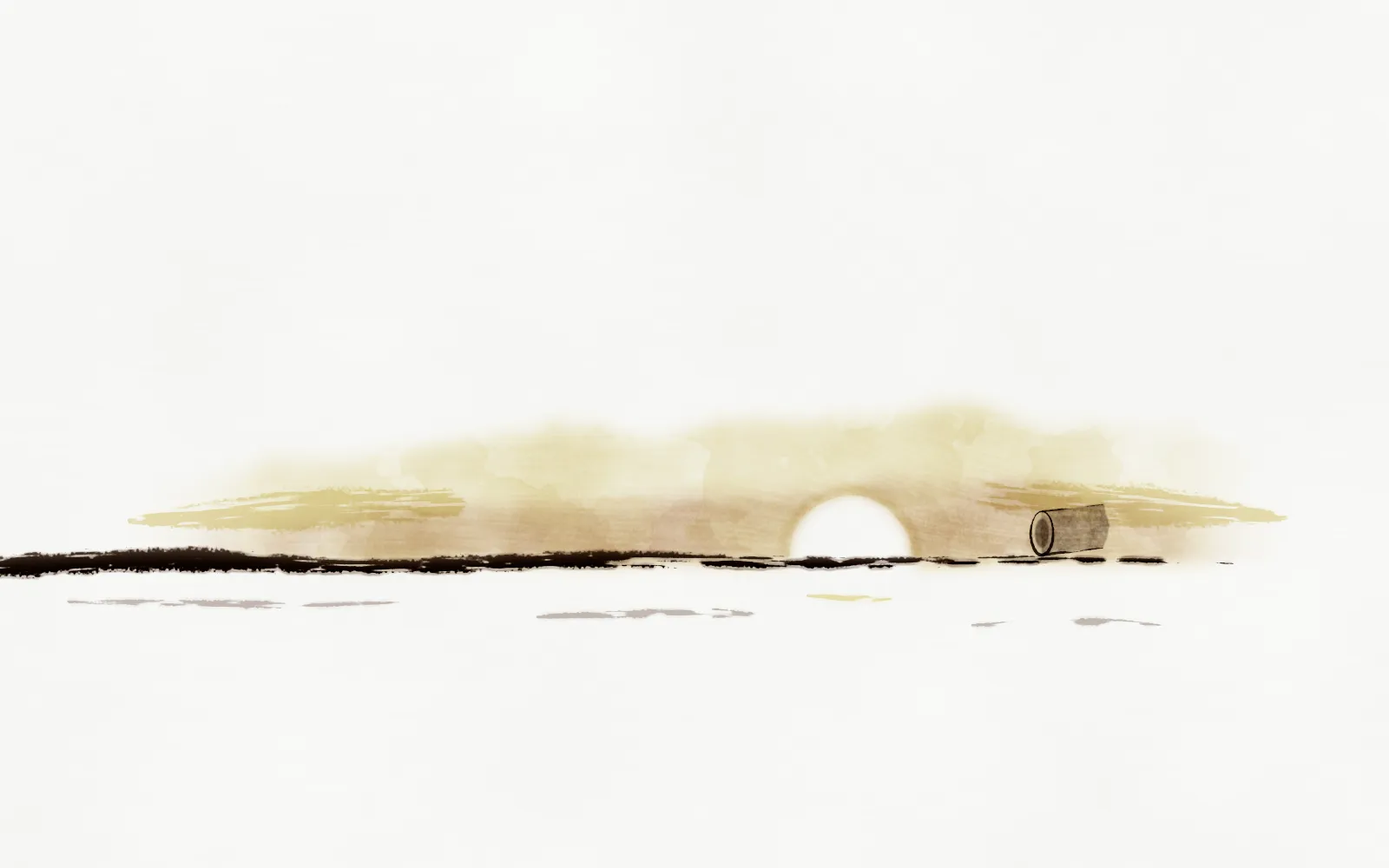
Yet the colour of Béton Chaud is not only amber. It is the colour of sunset, and the colour of memory. Béton Chaud brings back the heat of summer, and sunsets of perfect calm: the pause we need to let the busy excitement of a long day settle before we prepare for a new beginning.
What does Béton Chaud smell like?
Béton Chaud, Eau de Parfum – 50 ml. Top notes: peach, orange, grapefruit. Middle notes: cumin seed, caramel, damask rose. Base notes: cinnamon, frankincense, cardamom, vanilla.
Cumin seed is an important spice with many uses. In India it goes into a great many recipes and is a traditional spice. Further back still, in ancient Egypt, cumin seed has been found in tombs, among the preserving mixtures used for mummification. In Béton Chaud, cumin seed brings a sudden burst of heat and allure, and helps the scent stay longer on the wearer’s skin.
Béton Chaud is not a scent made to please everyone. Its spice and amber notes, lit by cumin seed and fragrant cinnamon, stir something in you. At first it can seem unfamiliar; then, as it opens on the skin, it slowly draws you in, with faint traces of Damask rose and styrax resin. A scent of passion and of freedom.
Béton Chaud: back to a memory of freedom
Béton Chaud, or hot concrete: the grown-ups’ definition
A concrete pipe is a rigid pipe that provides both structure and a channel on a building site.
Béton Chaud, or hot concrete: the children’s definition
A place to set up camp or build a fort; to shelter from the rain; to hide my secret plastic gun; to post letters; to play hide-and-seek; to make new friends… (and the list goes on)
“When I was small, in the early 2000s, my world was entirely ‘offline’. There was no Messenger, no TikTok videos; we children simply played whatever game the season brought. And when the windy season came, we lost ourselves in kites. On scorching summer days, the neighbourhood children and I would gather on the open ground, saving up to buy stingray kites or making our own. As we watched all that colour and freedom in the sky, the heat and the spirit of summer seeped into us, carefree and fearless children.
Back then, we children were never afraid that the wind might tear our kites. All we wanted was to see them spread their wings and fly high.”
Rei Nguyen
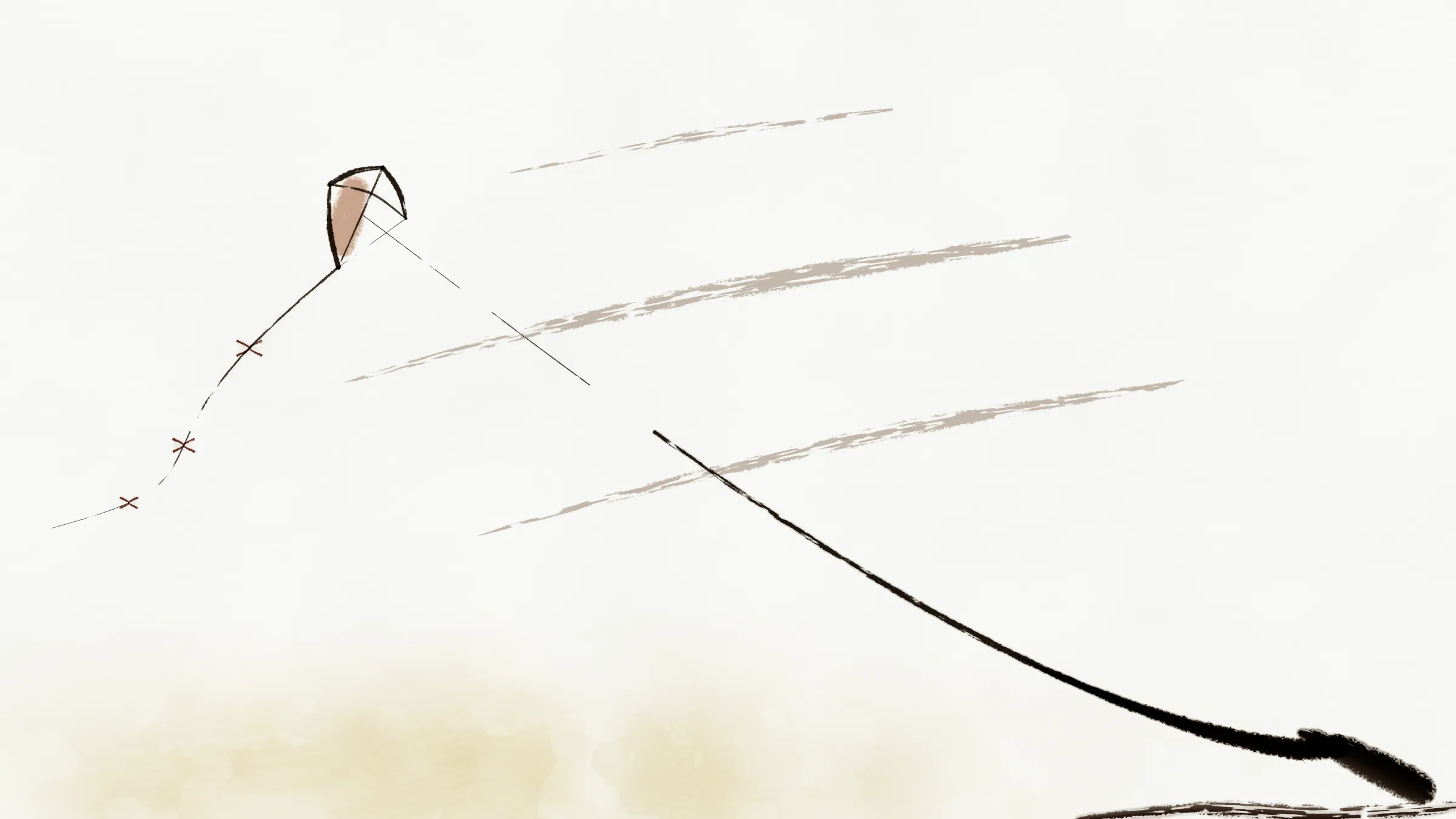
Illustrations: new ink paintings made in 2026 for the web edition; not part of the original post, and not by Rei.