Craft · 2025
A Glimpse of Indochina: Scent Inspired by Architecture and Culture
- Published
- Language
- English
- Reading time
- 2 min
First published in Vietnamese on 24 April 2025. Translated in 2026 and kept to the original.
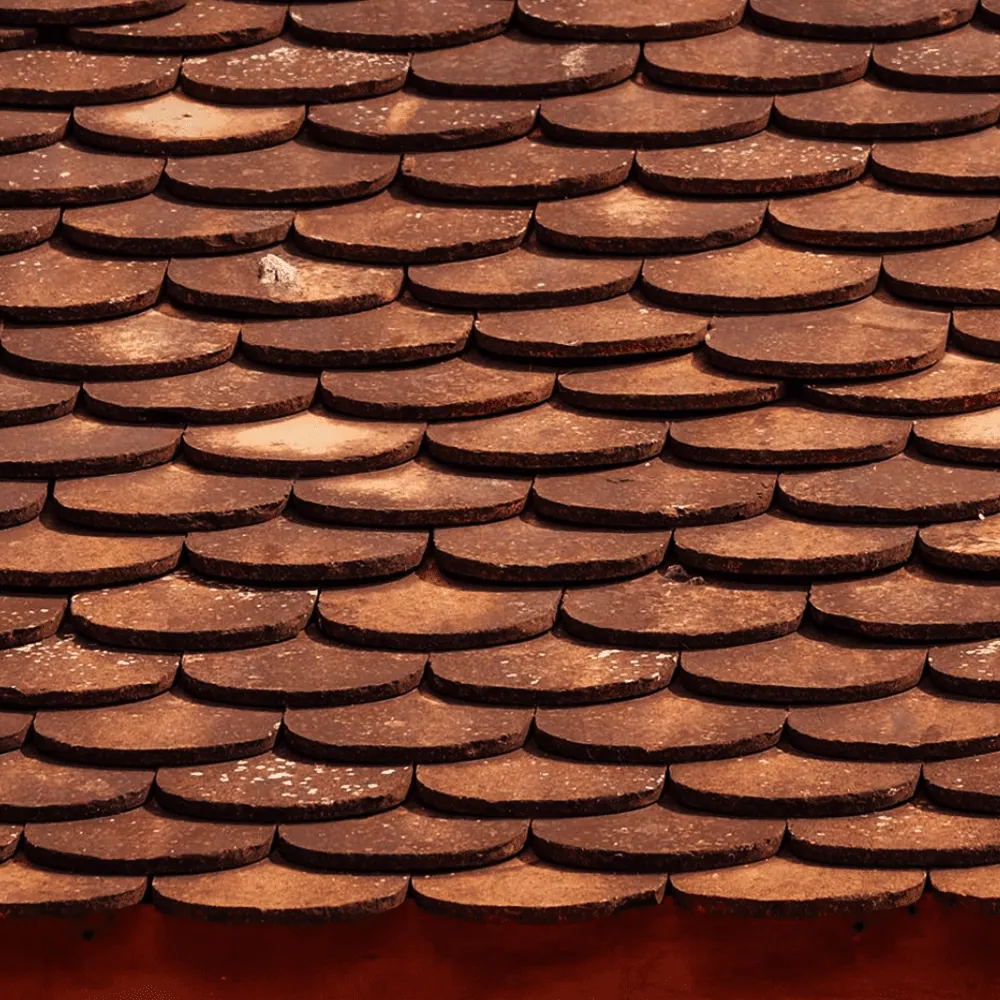
A glimpse of Indochina – scent inspired by cultural heritage
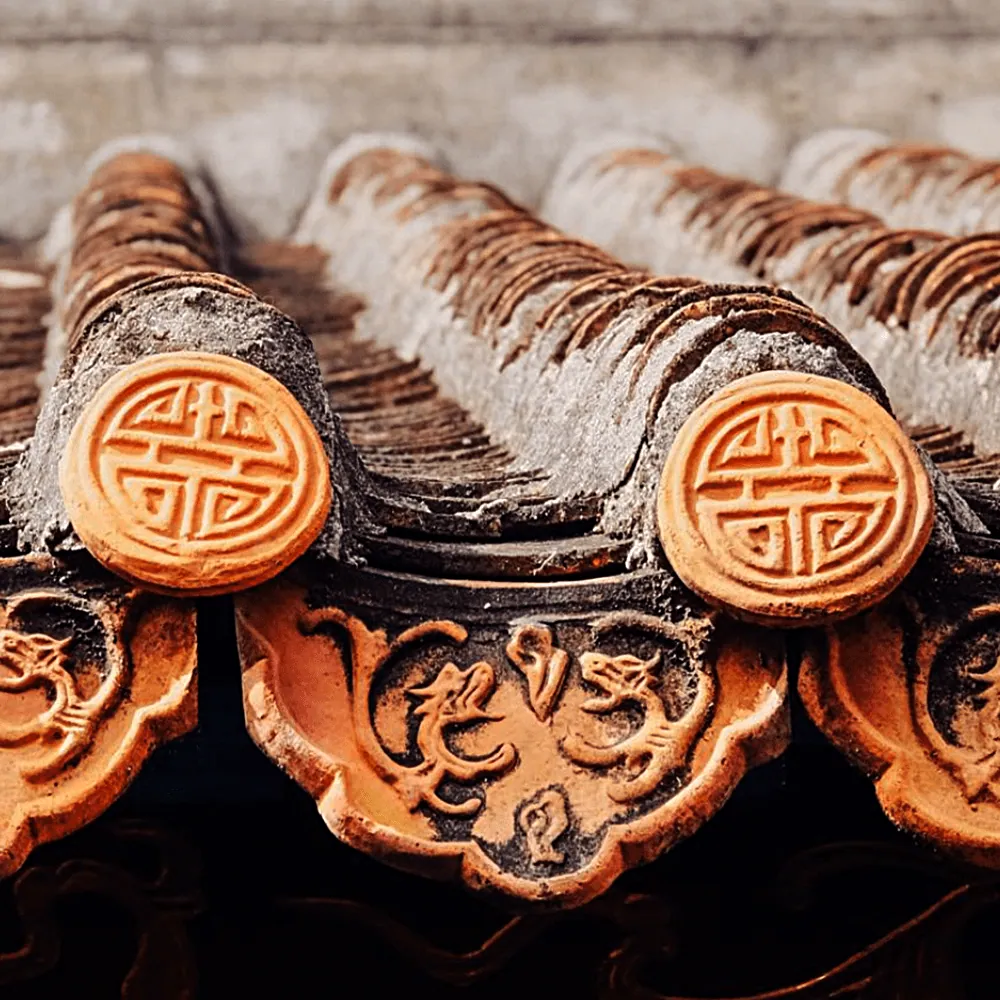
Memory does not live only in lime-washed walls, brick and tile, or doorways of faded wood; sometimes it comes quietly back to life in a scent. A scent that recalls places that once were, a time gone by and a spirit that has never faded: Indochina.
The heritage of Indochina – where time lingers in every detail
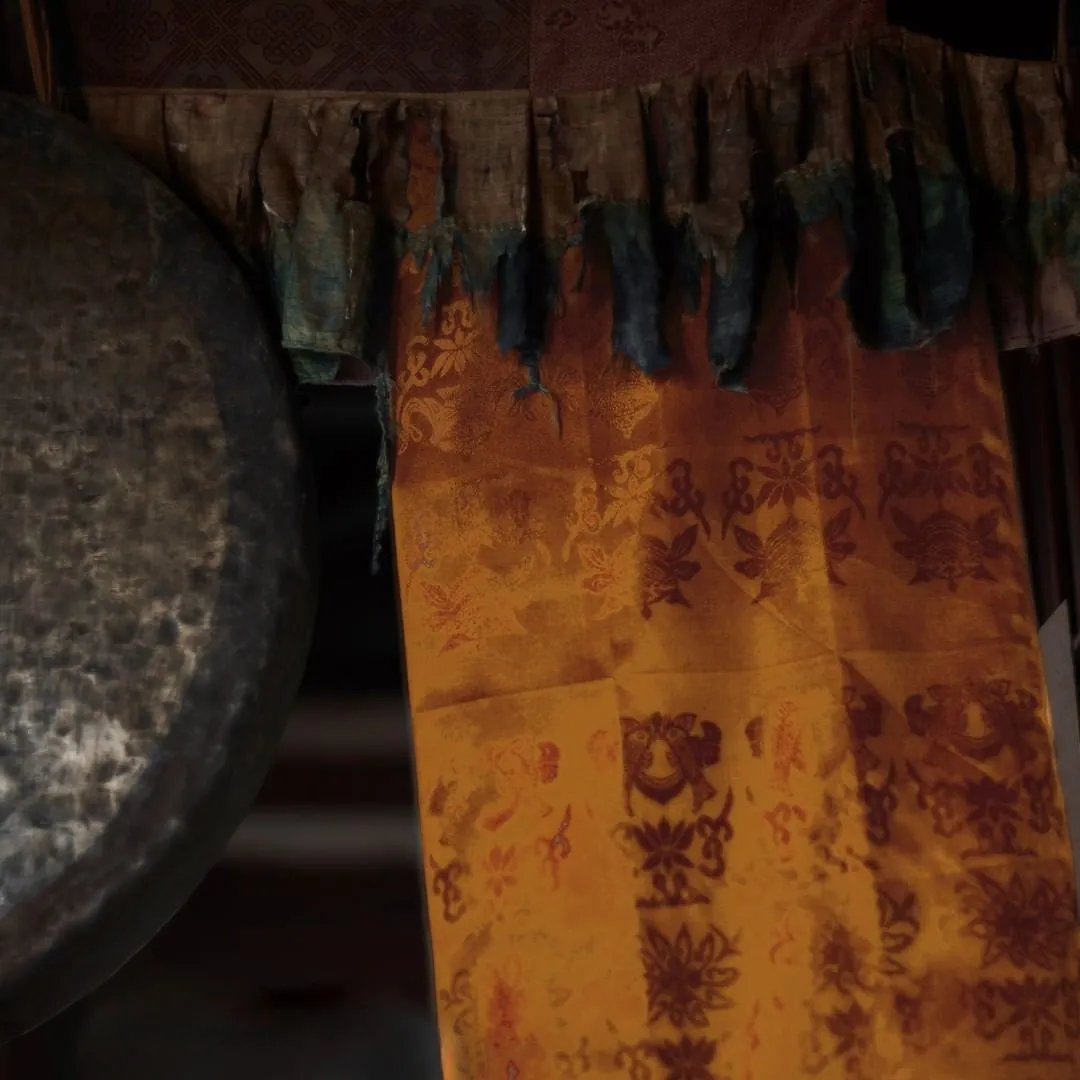
Say “Indochina” and most people think of a period when histories crossed: where Vietnam met the West, and a Vietnamese spirit ran through the lines of the architecture. Landmarks such as the Hanoi Opera House, Independence Palace and the old streets of Hội An recall an age of prosperity, and they are cultural emblems of a blend: local materials, a Western plan, a Vietnamese soul. In these places, scent is always present, an invisible layer of memory. The smell of old oak in the damp of a stone house grown over with moss. Terracotta, and aged paper in an old library. Silk freshly aired in the sun on an upper-storey balcony, catching the golden light so particular to Indochina. And frangipani and jasmine, drifting in through silent windows. These are the smells of time and of rooms once lived in – and an endless source of inspiration for perfumers who long to preserve the identity of the land they belong to.
When scent becomes a way to tell a culture’s story
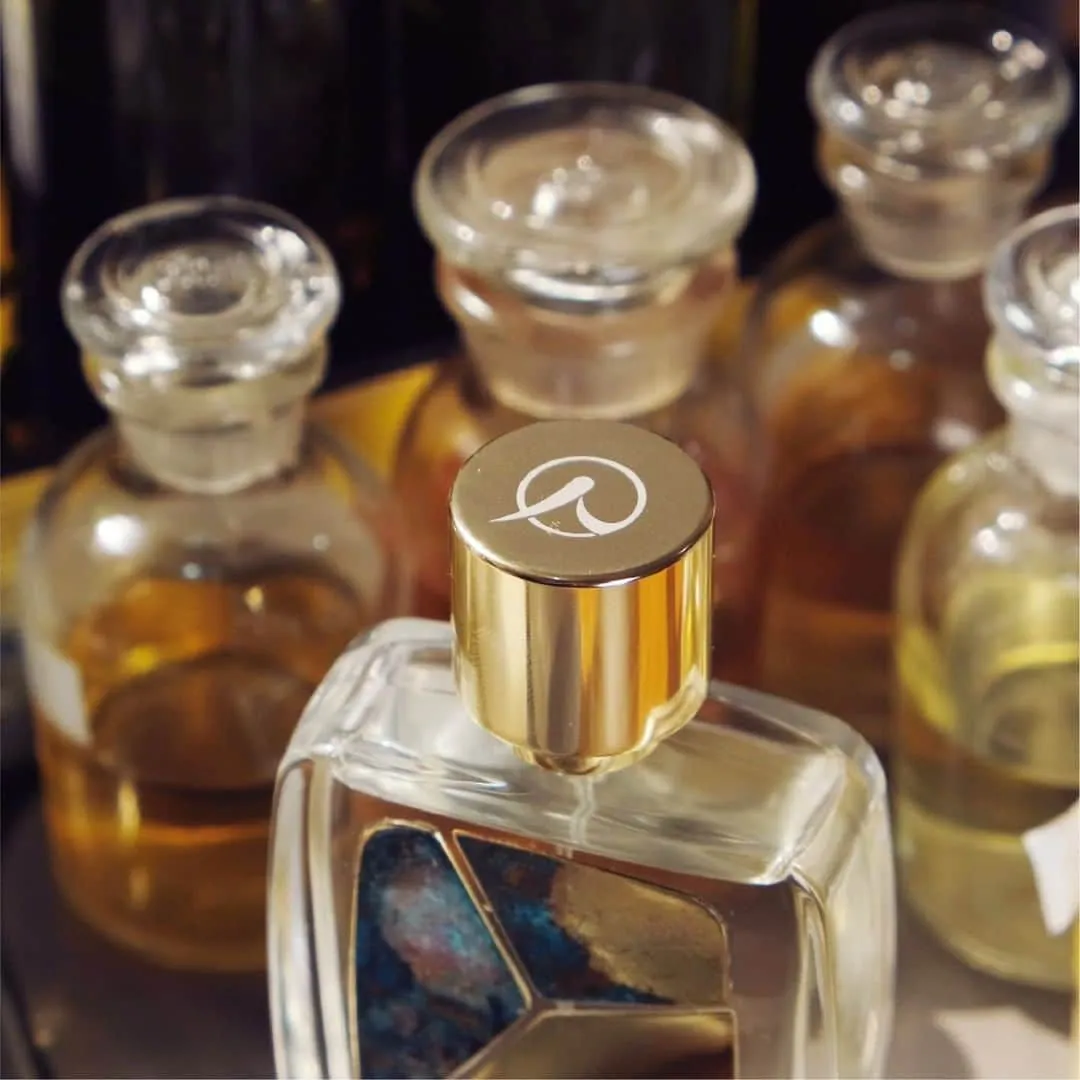
At R Parfums, every scent is a story told without words: fragments of time, place, memory and identity, blended together and held in each layer of the fragrance. Compare the structure of a scent to the building of an old house, and each layer becomes, perhaps, a slice of time. The top notes are the light. They often open on liquorice, white pepper, young patchouli or turmeric, bright and clear as the early Saigon sun painted on stone walls and sheer silk curtains. The middle notes are the materials: frangipani, tea leaf, leather, tobacco or hand-worked wood, interlaced to recall old rooms under a fine layer of dust, where traces of silk and Indochine printed paper remain. The base notes are the foundation, still and enduring: ebony, damp earth, Vietnamese agarwood or benzoin resin, like the soil of Indochina itself, where heritage is kept and sends up new shoots in time’s own way.