
Scents · 2025
Eau de Hajime – A Narcissus Tells the Story of a “First Time”
- Published
- Language
- English
- Reading time
- 4 min
First published in Vietnamese on 5 March 2025. Translated in 2026 and kept to the original.
Since then:
- The “Ăn Tết Thủy Tiên” event with Liti Florist, held for Tết 2025, has since taken place.
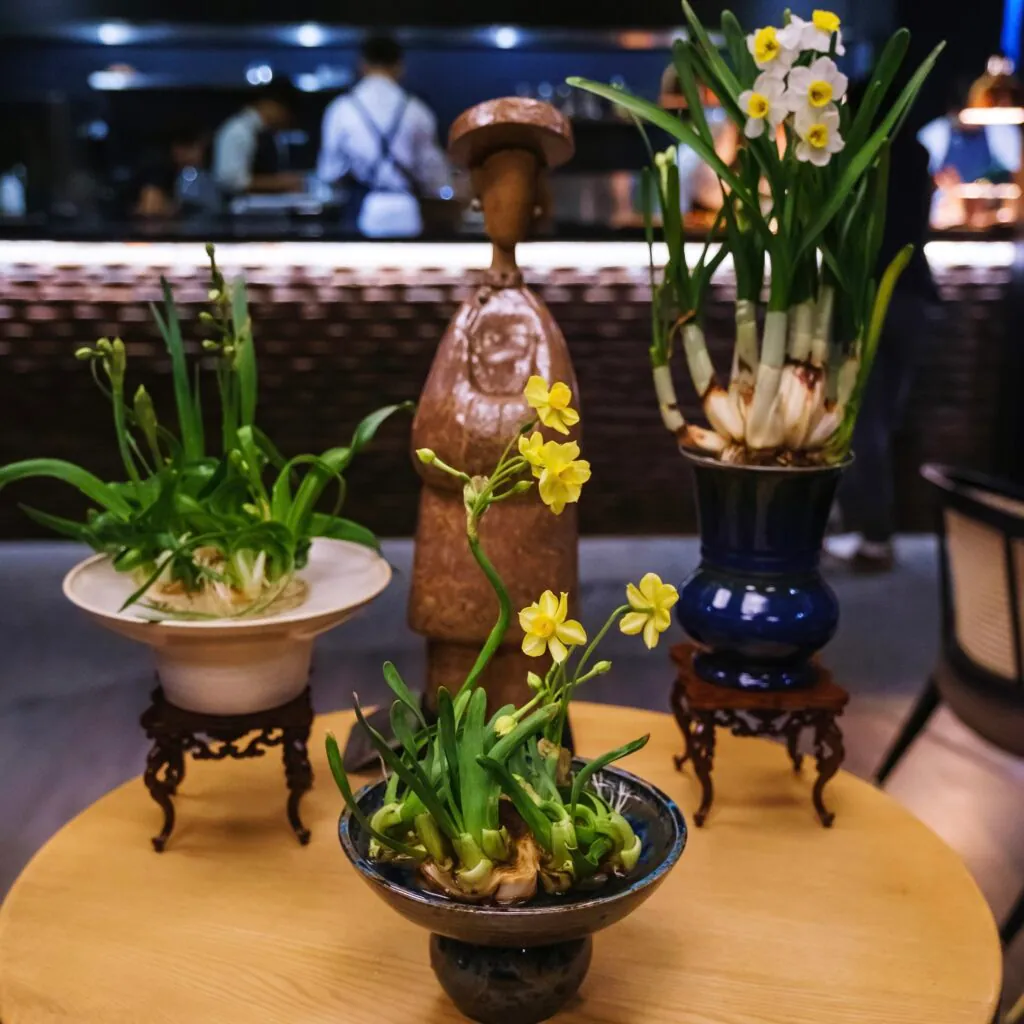
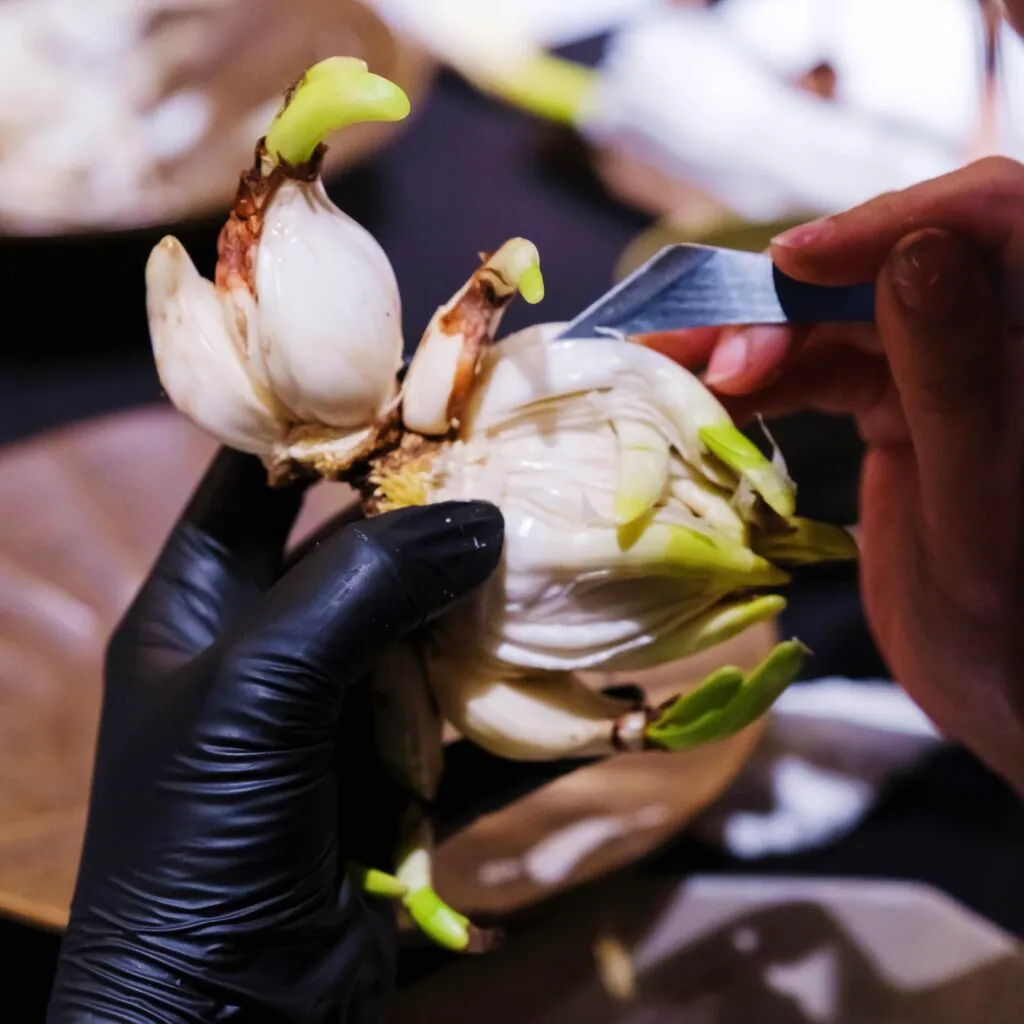
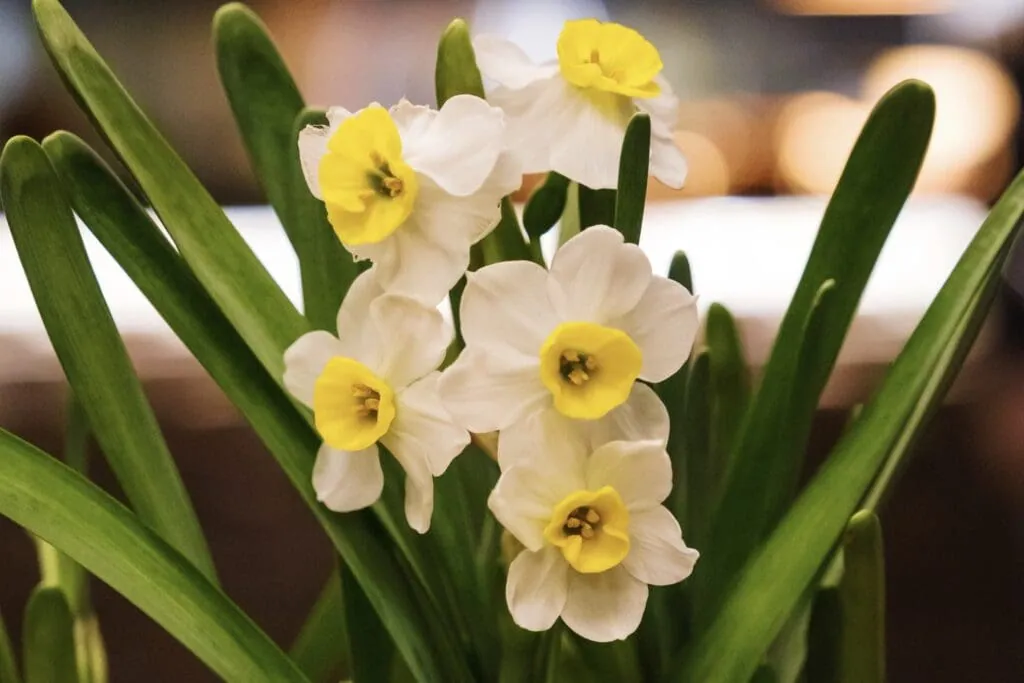
R Parfums has joined Liti Florist for a delicate meeting of scent and the art of narcissus carving, one that tells a story of beginnings. Eau de Hajime, a narcissus perfume, does more than recreate the fragrance of this pure flower: it awakens memories of first times that made the heart quicken. Tết, the Lunar New Year, is the perfect moment to look back on the road behind us and to prepare for new beginnings. Amid the rush of everyday life, there are rituals that help us slow down and listen to ourselves: tending a narcissus bulb, carving and caring for it with patience until, after a few weeks of waiting, a pure white flower opens in all its perfection. Alongside the unspoilt beauty of the narcissus lies the art of bulb carving, as practised by the carver Lê Thanh Trà. It is more than an exercise in aesthetics; it is a way of connecting with nature and with oneself, where each stroke of the knife against the bulb is also a way of listening and understanding. And, as a natural continuation, comes Eau de Hajime — a narcissus perfume that recalls the colour and scent of this graceful flower and holds the feeling of life’s “first times”.
The art of narcissus carving – when patience creates beauty
Unlike other flowers, which need only be placed in water to bloom, the narcissus must be carved with great care before it can reach its full beauty. When the bulbs are first brought home they are still rough and coarse; the outer skin may look tough, but inside lies a pristine shoot. Carving a narcissus is not merely ornamental work; it is a conversation between people and nature. When a carver takes up the knife, the act is not only one of cutting but of understanding, a fine sensitivity to every natural line of the bulb. A single cut can change the way the whole plant grows: with too heavy a hand, an important young root may be severed, affecting how it sprouts later. But with enough finesse, each cut helps the bulb “release” its hidden beauty. The outer skin is peeled away little by little, revealing ivory-white flesh, soft yet full of life. Small roots gradually appear, showing the intricate structure of a flower that seems so simple. Each bulb is an individual, with its own shape and its leaf shoots growing in their own directions, and so the art of narcissus carving has no fixed formula — it calls for close observation, intuition and experience. Once carved, the narcissus is set in clean water and watched day by day. The small roots slowly draw up water, feeding the stem and leaves, and after three to four weeks the first flowers open. That moment is not only a pleasure to the eye but a reward for patience. It reminds us that true beauty does not arrive at once; it takes time, care and waiting.
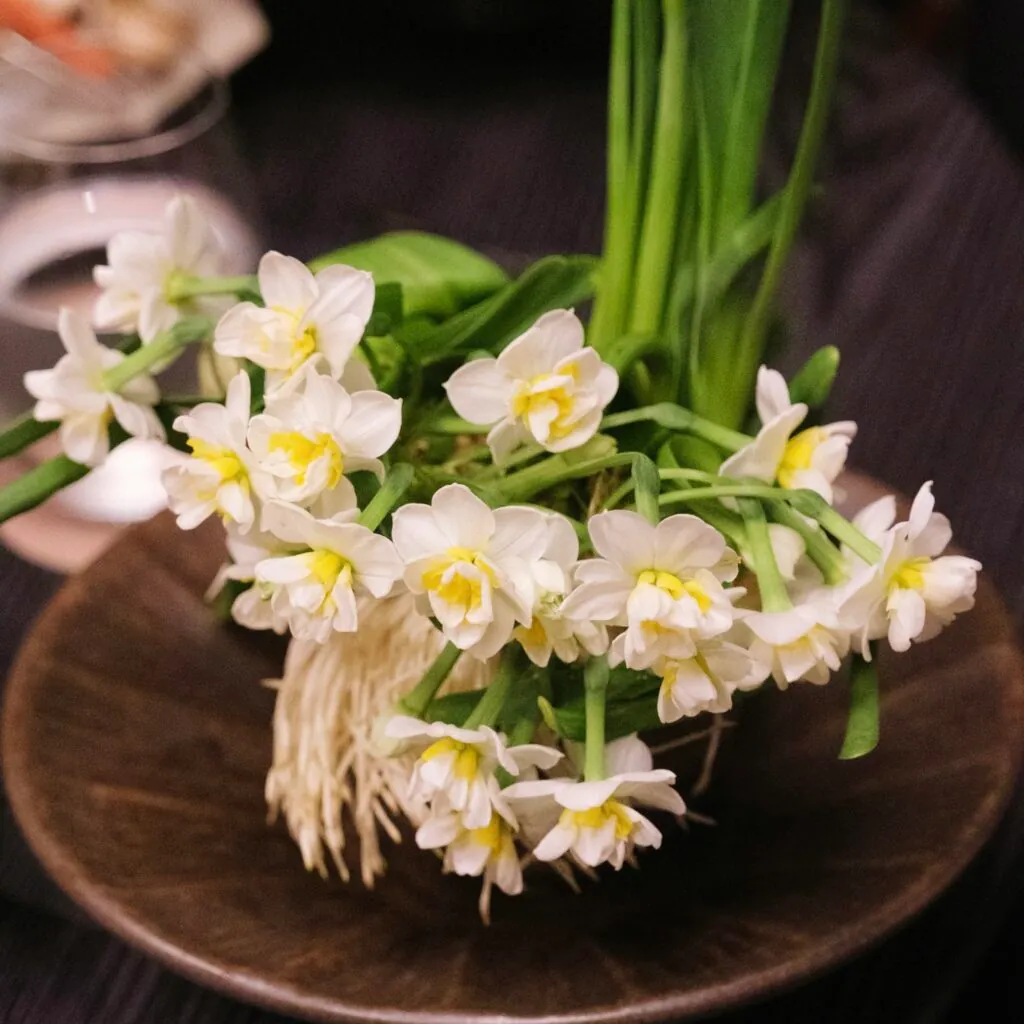
Eau de Hajime – the scent of a first affection
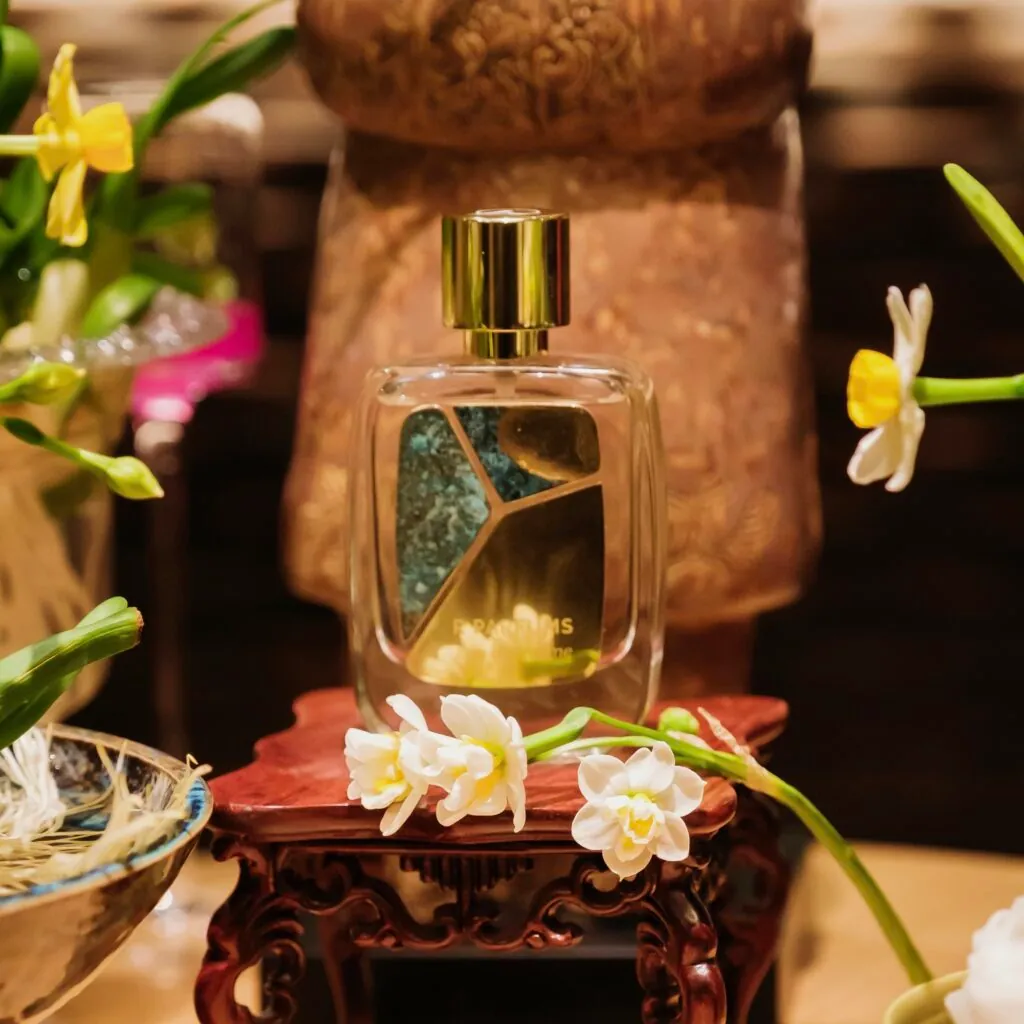
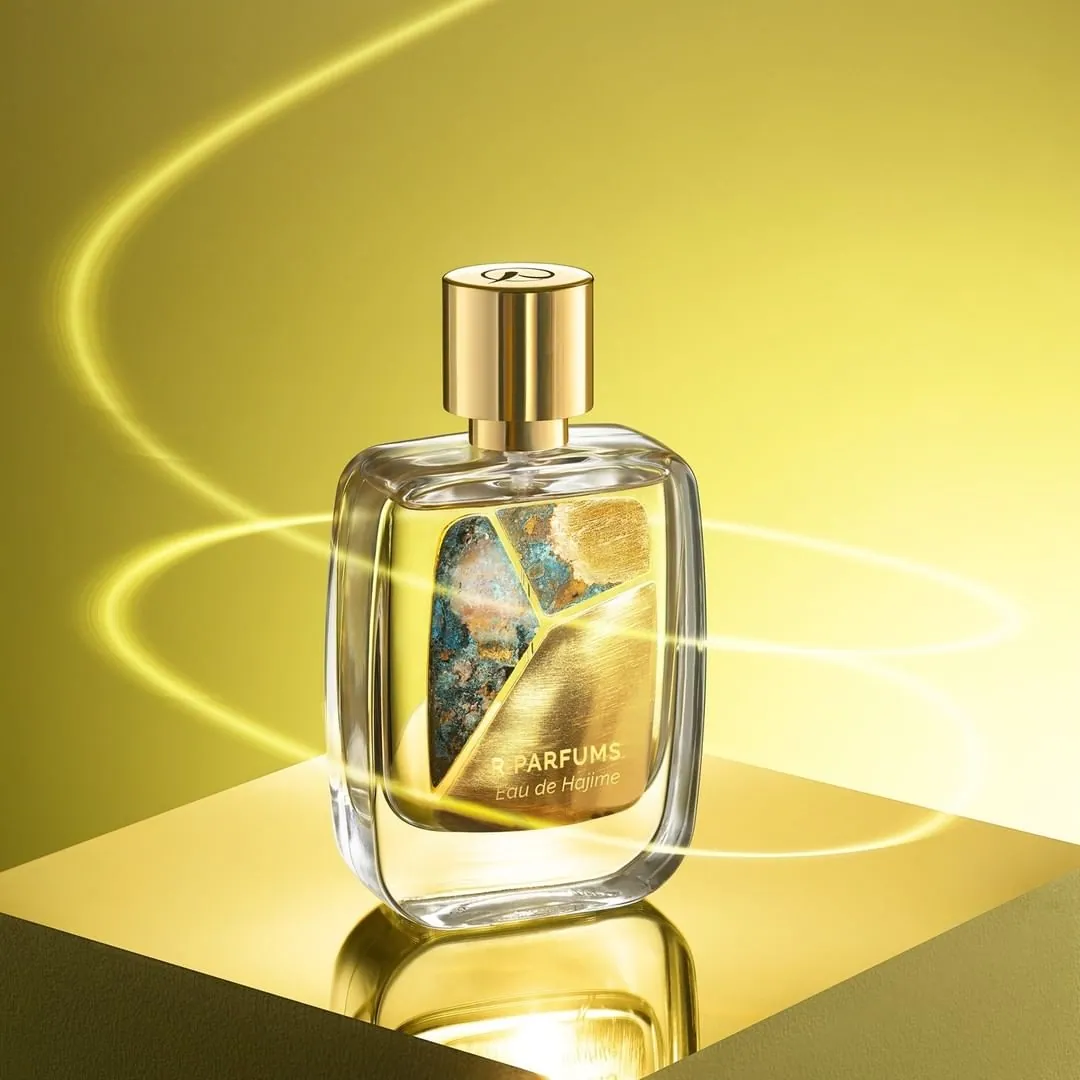
Just as a narcissus bulb must be tended before it reveals its beauty, Eau de Hajime is a scent that carries the spirit of beginnings. In Japanese, Hajime means “the first time”. But that “first time” is more than a simple beginning; it is the moment we truly listen to ourselves, the first time we let the heart be moved by something so beautiful that it cannot be ignored. The scent opens with the freshness of petitgrain, pear and bergamot, like the moment the skin of a narcissus bulb has just been peeled back to reveal the tender core inside. The middle notes bring together jasmine, rose and jonquil absolute — a precious essence extracted from the narcissus — and feel warm yet full of inner strength. In the dry-down, patchouli, labdanum, oakmoss and amber arrive as a kind of reflection, the way we look back on all we have been through after a long journey.
When scent and flower carving tell the same story
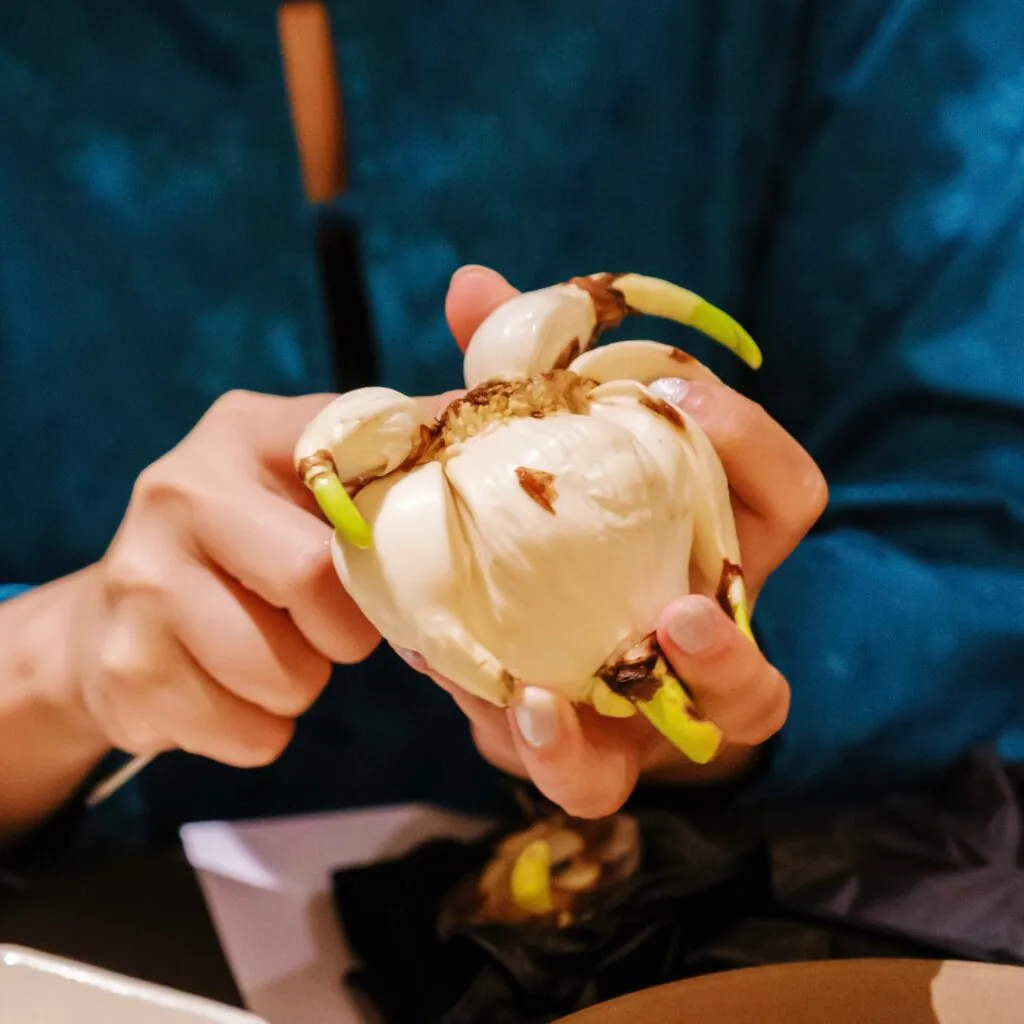
Narcissus carving and the making of Eau de Hajime have something in common: both ask for patience, for care and for respect towards a beauty still taking shape. Each cut of the carver’s knife is an act of attention, just as each note in Eau de Hajime is part of a story full of feeling.
Rei Nguyen, the creator of R Parfums, did not simply make a scent; she made a milestone, a reminder of the moments in life worth keeping. Moments we are willing to wait for, to cherish and to reflect on. As when we give three to four weeks to tending a narcissus bulb, eager for the moment it blooms. As when we set out on something new, only to find that the greatest joy lies not in the destination but in the road we have travelled.
Eau de Hajime is more than a perfume; it is an invitation. An invitation to anyone looking for a “first time” of their own, to anyone who values the beauty of patience, and of all that is purest and most true.

The scents in this piece
More from the Journal
All Journal entries →
Scents
When Vision Is Painted by Scent: Eau de Hajime and the Tenderness of First Times
Scents
Narcissus in Eau de Hajime – From Flower to Niche Perfumery
Scents
Eau de Hajime: Where I Belong
Translated from Vietnamese