Scents · 2023
Eau de Hajime: Where I Belong
- Author
- Rei Nguyen
- Published
- Language
- English
- Reading time
- 2 min
- Scents
- Eau de Hajime
First published in Vietnamese on 18 September 2023. Translated in 2026 and kept to the original.
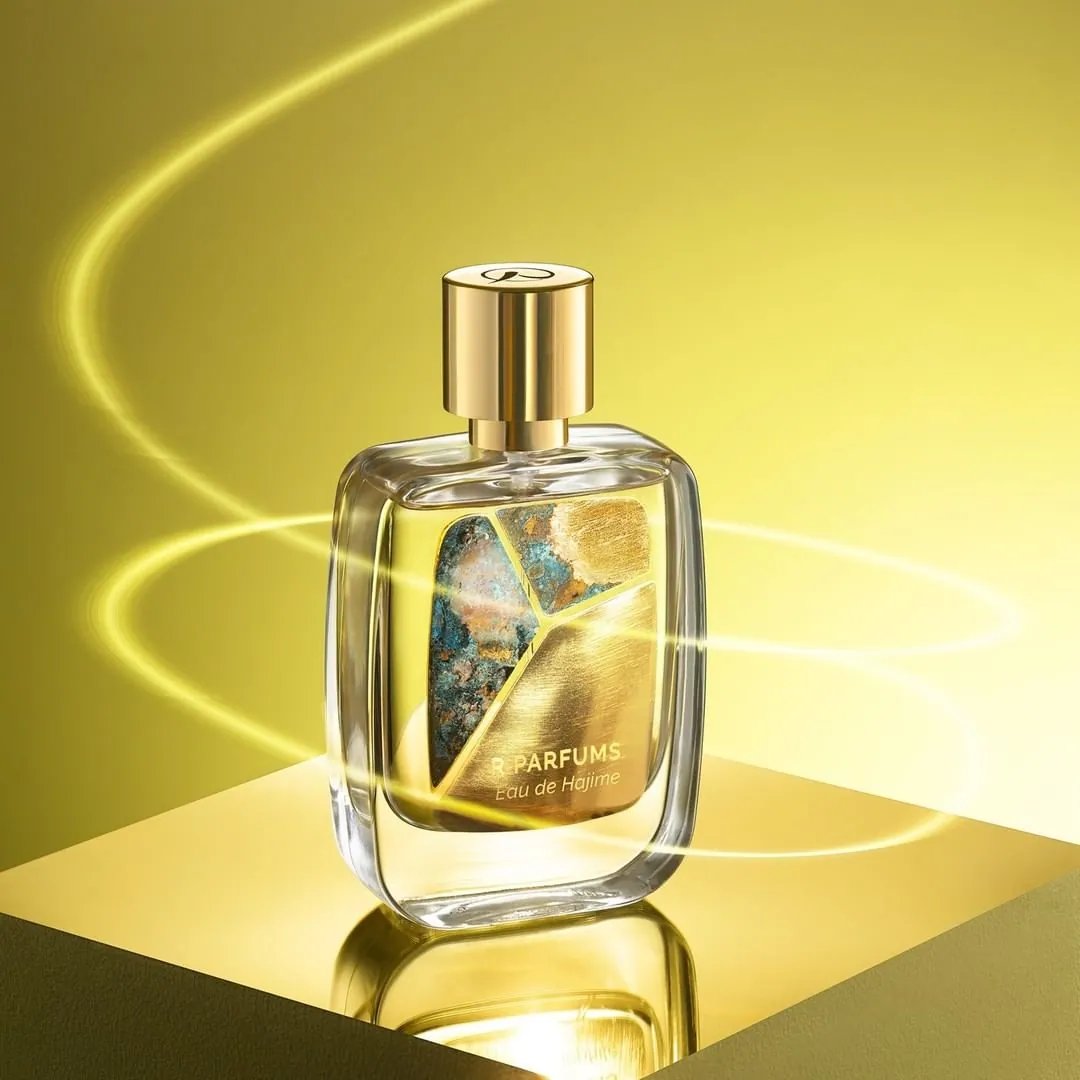
How was Eau de Hajime made?

“Sometimes, when I close my eyes, I still remember the glimmering lights of the lanterns in Kyoto. Ribbons of light drifting down the street, swaying in the wind, and the powdery scent of a kimono lingering after it brushed softly past.” — Rei Nguyen
Scenes held in memory, scents the nose has not let go of, recollections still fresh… A love of fragrance led Rei Nguyen to pursue perfumery in Japan, and she went on to become the first Vietnamese person to stage a successful scent exhibition in the land of the cherry blossom.
Eau de Hajime was Rei Nguyen’s first creation, marking her opening steps along that singular path.
What does Eau de Hajime smell like?
Jonquil
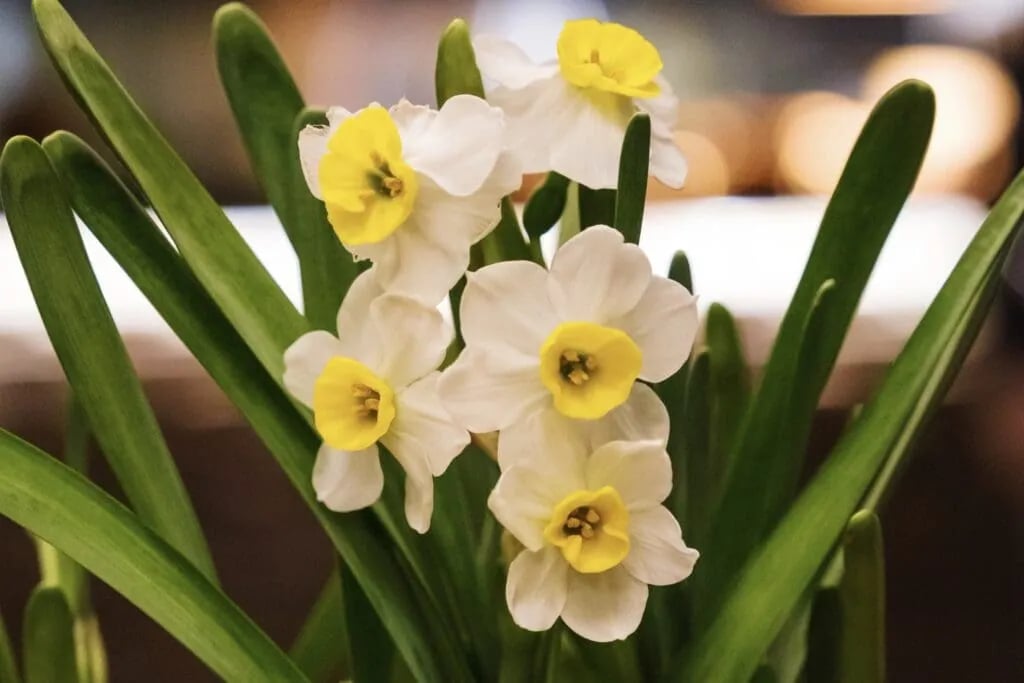
Known as one of the most precious floral materials in perfumery, narcissus (also called jonquil) calls to mind dense velvet, with a passing herbal note. In R Parfums’ composition, jonquil absolute comes into its own beside heady jasmine and the soft sweetness of coconut, and on the wearer’s skin the effect is spellbinding.
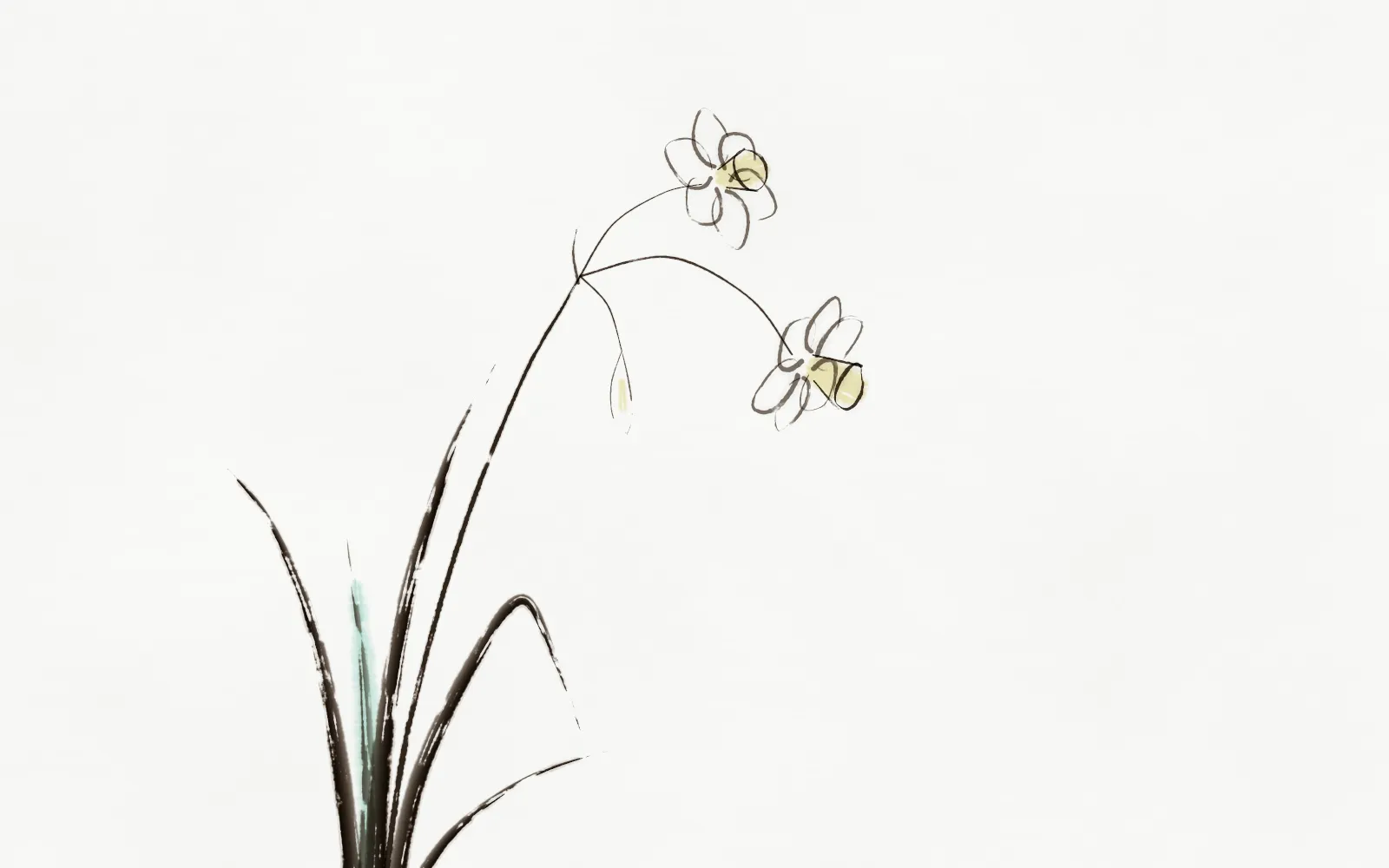
Narcissus is not the whole of it: pear is another reason Eau de Hajime stands apart. It makes up only about 0.1% of the formula, yet the scent of juicy pear seems to be an essential part of Hajime’s beauty. Tender green. Fresh and young. Do you think that is what youth smells like?
Eau de Hajime – 50 ml
Top notes: petitgrain, pear, bergamot
Middle notes: rose, jasmine, jonquil absolute
Base notes: patchouli, labdanum, moss, amber
Eau de Hajime – Where I Belong
In Japanese, “hajime” means “the first time”. This was the first scent Rei ever made: a personal milestone that means a great deal to her, and an expression of her own style in the art of scent.
Stepping outside society’s usual conventions, Rei set out on a path of her own in perfumery. It was a road full of thorns and hardship, yet a truly happy and worthwhile one. Hajime is the story of a beginning, of surprise, curiosity and self-questioning mingled together… and, above all, of joy. The joy of having found, at last, the place where she truly belongs.
Rei Nguyen
Illustrations: new ink paintings made in 2026 for the web edition; not part of the original post, and not by Rei.